CNC MACHINING
Cost Reduction Strategies in CNC Machining: Engineering Approaches and DFM Guidelines
Discover technical strategies to lower unit costs in CNC machining through DFM, tooling optimization, and process efficiency. OSEL Makine engineering guide.
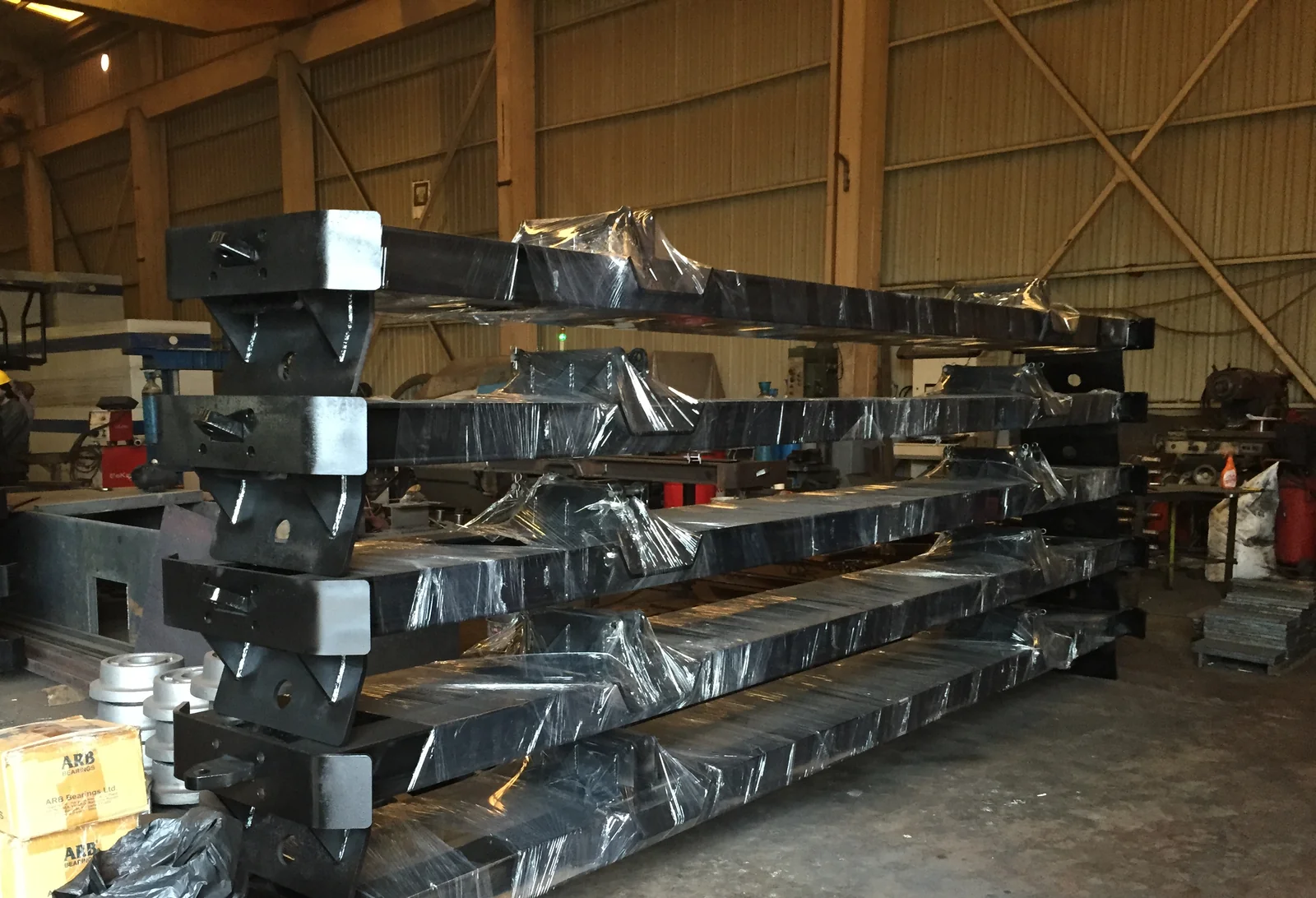
Introduction: Cost Structure in CNC Machining
Maintaining competitiveness in the global manufacturing industry requires lowering unit part costs without compromising quality or dimensional accuracy. In precision CNC machining, total part cost is a complex composite of raw material, machine run time (cycle time), cutting tool wear, labor, setup non-productive time, and scrap rates.
As the engineering team at OSEL Makine, we outline in this technical guide the strategies we apply to reduce machining costs for our partners in the defense, energy, automotive, and heavy industrial machinery sectors.
1. Design for Manufacturability (DFM)
The most impactful stage for cost optimization is during the CAD design phase. Small modifications in part design can lead to 30% to 50% cost reductions in machining.
- Avoiding Over-Tolerancing: Extremely tight tolerances like ISO IT5 or IT6 require grinding or specialized lapping. Keep tight tolerances strictly for functional mating surfaces and use standard IT8-IT10 tolerances elsewhere.
- Optimizing Internal Corner Radii (Fillets): Internal pocket radii should be designed 10-15% larger than the cutting tool radius ($R$). This allows smooth toolpaths without slowing down at corners, reducing tool chatter and breakage.
- Pocket Depth & L/D Ratios: When tool length-to-diameter ratio exceeds 4:1, deflection and vibration increase, forcing slower cut feeds. Keep pockets as shallow as functionally possible.
2. Material Selection & Stock Size Optimization
Material machinability directly dictates tool wear and cutting speeds ($V_c$).
- Machinability Index: Consider functional material alternatives. For instance, substituting AISI 304 stainless steel with AISI 303 (where allowable) significantly improves machinability and cuts cycle times.
- Near-Net Shape & Stock Selection: Choose raw stock sizes close to final dimensions to minimize material removal volume. Less chips generated equals shorter machine cycle times.
3. Cutting Tooling & Advanced Machining Strategies
Utilizing modern CAM strategies and high-performance tooling accelerates material removal rates (MRR).
- Trochoidal (Dynamic) Milling: By keeping constant arc of contact and maximizing axial depth of cut, dynamic toolpaths extend tool life by 2-3x while drastically reducing cycle times.
- Coated Carbide Inserts: Advanced TiAlN or AlTiN PVD coatings allow higher cutting speeds and feed rates under heavy cutting loads.
4. Advanced Workholding & Setup Time Reduction
Machine idle time during part clamping and probing directly impacts part overhead costs.
- Zero-Point Clamping Systems: Modular zero-point receiver plates reduce machine setup and changeover times by up to 70%.
- Multi-Part Tombstone Fixtures: Processing multiple components in a single setup on 4-axis or 5-axis CNCs minimizes tool change delays and maximizes spindle utilization.
Machining Cost Optimization Impact Analysis
The table below highlights the cost-saving potential of various engineering approaches:
| Engineering Strategy | Avg. Cost Saving Potential | Primary Impact Area |
|---|---|---|
| DFM Optimization | 25% - 40% | Cycle Time & Tool Accessibility |
| Dynamic CAM Strategies | 15% - 30% | Tool Life & Machining Time |
| Zero-Point Workholding | 10% - 20% | Setup & Non-Productive Time |
| Raw Material Selection | 10% - 15% | Material Cost & Cutting Speeds |
Conclusion: Engineering Partnership with OSEL Makine
Reducing costs in CNC machining is a holistic engineering process starting from the design table to final inspection.
OSEL Makine, located in Kocaeli KOBİ OSB, combines high-precision CNC machining, heavy welding, and custom machinery capabilities with DFM consulting. We assist global B2B clients in optimizing manufacturing costs without compromising component quality.
LET'S BUILD TOGETHER
Send us your drawing.
A technical drawing, a sample photo or a short description is enough. We clarify sequence, scope and lead time with the quote.