ENGINEERING GUIDE
Production Line Optimization in Factories: Strategic Approaches for Efficiency and Competitiveness
Strategic approaches to factory efficiency: lean manufacturing, six sigma, theory of constraints and data-driven continuous improvement.
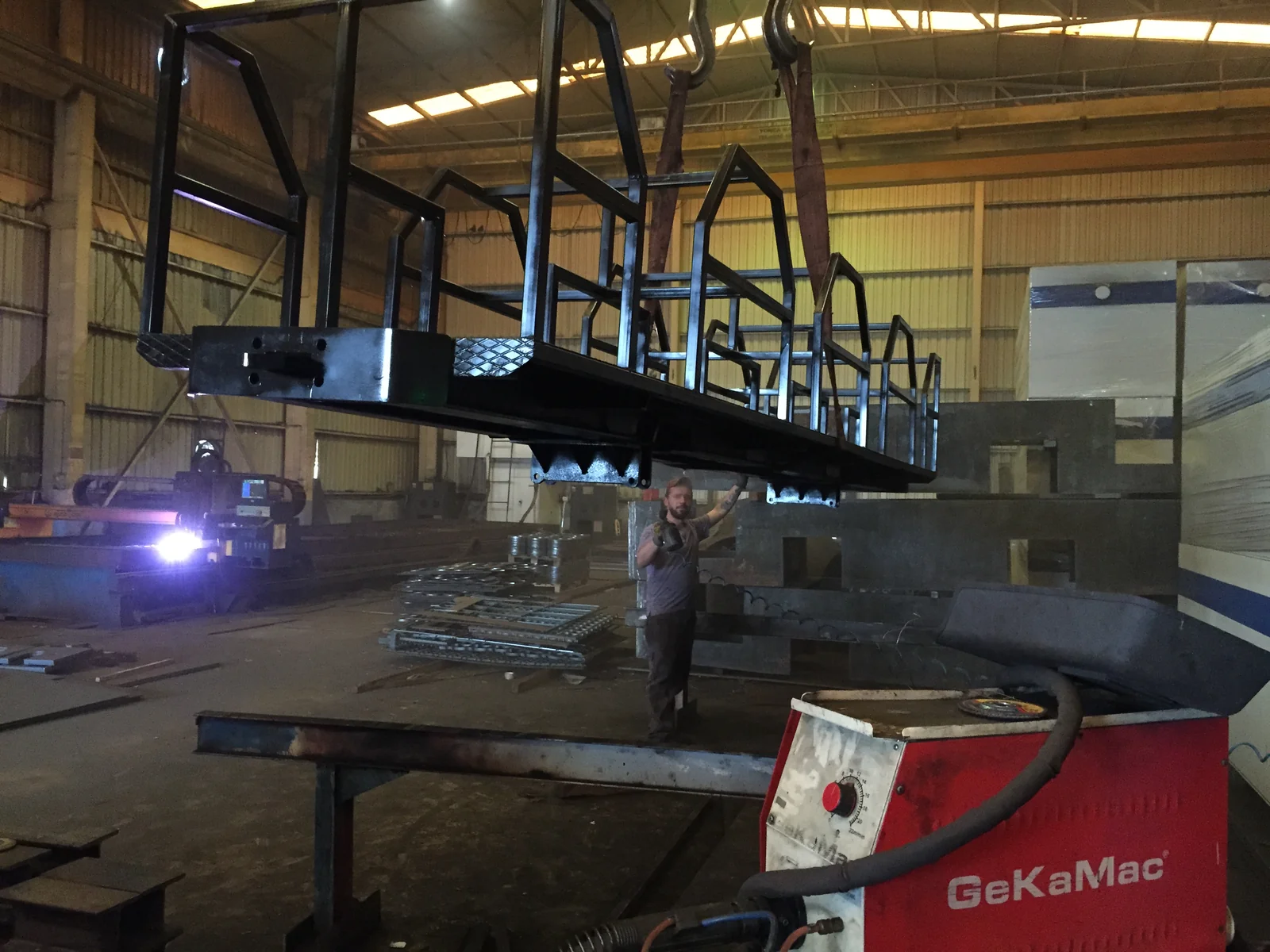
In today's competitive industrial landscape, continuous improvement of production processes is critical for factories to survive and grow. As OSEL Makine, with our expertise based in Dilovası KOBİ OSB, Kocaeli, we support factories in achieving their production line optimization goals through CNC machining, heavy welding, and custom machine solutions. Production line optimization is the science of reducing costs, improving quality, and shortening lead times by utilizing existing resources in the most efficient way possible.
Key Objectives of Production Line Optimization
Production line optimization is carried out to achieve a series of strategic objectives:
- Cost Reduction: Minimizing labor, energy, raw material, and inventory costs.
- Efficiency Increase: Achieving higher output in shorter times, increasing machine and labor utilization rates.
- Quality Improvement: Reducing defect rates, ensuring product consistency, and increasing customer satisfaction.
- Lead Time Reduction: Shortening production cycle times to accelerate time-to-market.
- Flexibility and Adaptation: Adapting more quickly to changing market demands and product variety.
- Competitive Advantage: Gaining an edge in the market by producing higher quality and faster at lower costs.
Key Methodologies for Optimization
Various proven methodologies are used in production line optimization:
1. Lean Manufacturing
A philosophy focused on eliminating all types of waste (Muda). Lean manufacturing aims to remove all non-value-adding steps from the process.
- 7 Wastes (Muda):
- Transportation
- Inventory
- Motion
- Waiting
- Overproduction
- Over-processing
- Defects
2. Six Sigma
A data-driven methodology aimed at minimizing defect rates by reducing variation in production processes. It is particularly effective in quality control.
- DMAIC Cycle:
- Define: Defining the problem and objectives.
- Measure: Collecting current performance data.
- Analyze: Analyzing the root causes of the problem.
- Improve: Developing and implementing solutions.
- Control: Sustaining the improvements.
3. Theory of Constraints (TOC)
Focuses on improving system performance by identifying and managing "bottlenecks" (constraints) that limit a system's output.
- Five Focusing Steps:
- Identify the Constraint
- Exploit the Constraint
- Subordinate Everything Else to the Constraint
- Elevate the Constraint
- Beware of Inertia (Don't let a constraint become a policy)
4. Industry 4.0 Technologies
Technologies transforming production processes through digitalization and automation, opening new doors for optimization:
- Internet of Things (IoT): Real-time collection of machine data.
- Artificial Intelligence (AI) and Machine Learning (ML): Predictive maintenance, quality control, and process optimization.
- Big Data Analytics: Revealing hidden patterns and inefficiencies in production processes.
- Robotics and Automation: Automating repetitive and dangerous tasks, reducing human error.
- Digital Twins: Simulation and optimization using virtual replicas of physical assets or processes.
Production Line Optimization Process
An effective optimization process typically includes the following steps:
- Current State Analysis: Mapping the current process step-by-step using tools like Value Stream Mapping (VSM) to identify wastes and bottlenecks.
- Data Collection and Analysis: Collecting metrics such as production times, downtimes, defect rates, energy consumption, and identifying root causes through statistical analysis.
- Goal Setting: Establishing clear and measurable goals that adhere to SMART (Specific, Measurable, Achievable, Relevant, Time-bound) criteria.
- Solution Development and Implementation: Designing solutions for identified problems (e.g., new workstation design, automation integration, equipment overhaul) and implementing them incrementally.
- Performance Monitoring and Continuous Improvement: Regularly monitoring the impact of implemented solutions, tracking Key Performance Indicators (KPIs), and maintaining a continuous improvement cycle with the Kaizen philosophy.
| Optimization Area | Application Examples | Expected Benefit |
|---|---|---|
| Ergonomics & Workflow | Workstation rearrangement, reduced walking distance | Worker productivity, error reduction, increased safety |
| Machine Maintenance | Predictive Maintenance, TPM (Total Productive Maintenance) | Reduced downtime, extended machine life |
| Molds & Fixtures | Single-Minute Exchange of Die (SMED), custom fixture design | Reduced setup time, production flexibility |
| Automation | Robotic integration, AGV (Automated Guided Vehicles) | Speed, accuracy, reduced labor costs |
Advance Your Production Line with OSEL Makine
As OSEL Makine, we are a strong solution partner in your production line optimization projects. We offer a wide range of services, from large-scale machine chassis requiring heavy welding to high-precision CNC machined parts and custom machine solutions. Our expert engineering team possesses deep knowledge in process analysis, design, and manufacturing.
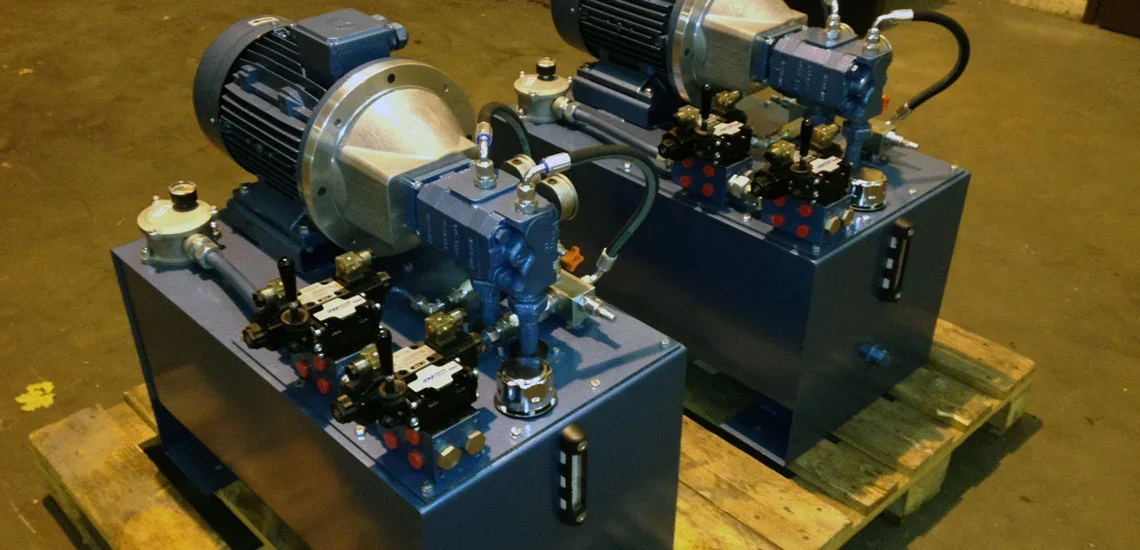
- Custom Machine Design and Manufacturing: We develop bespoke machine solutions tailored to your needs, enhancing efficiency and reducing waste.
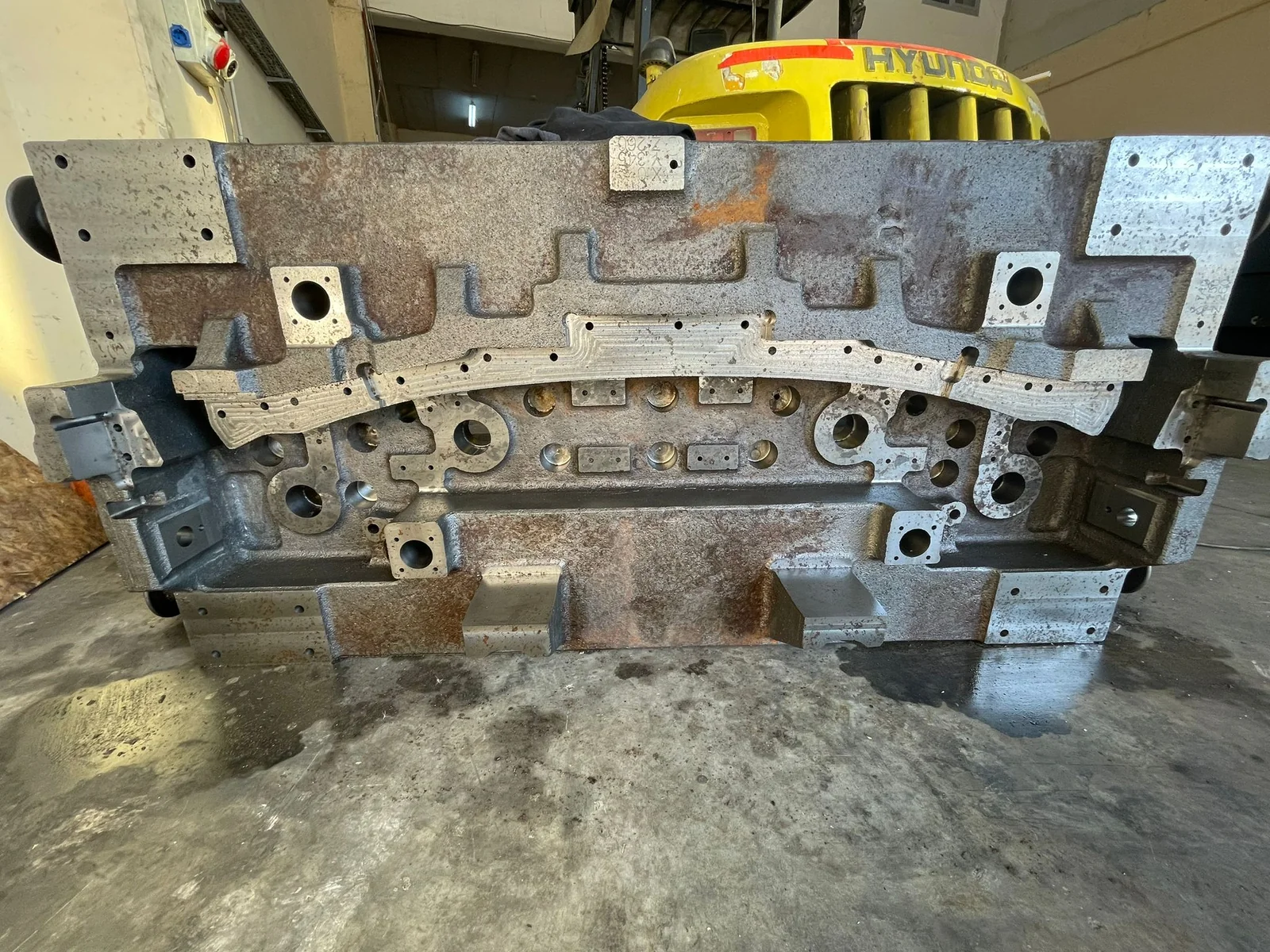
- CNC Machining: We produce high-precision parts and prototypes essential for optimization processes.
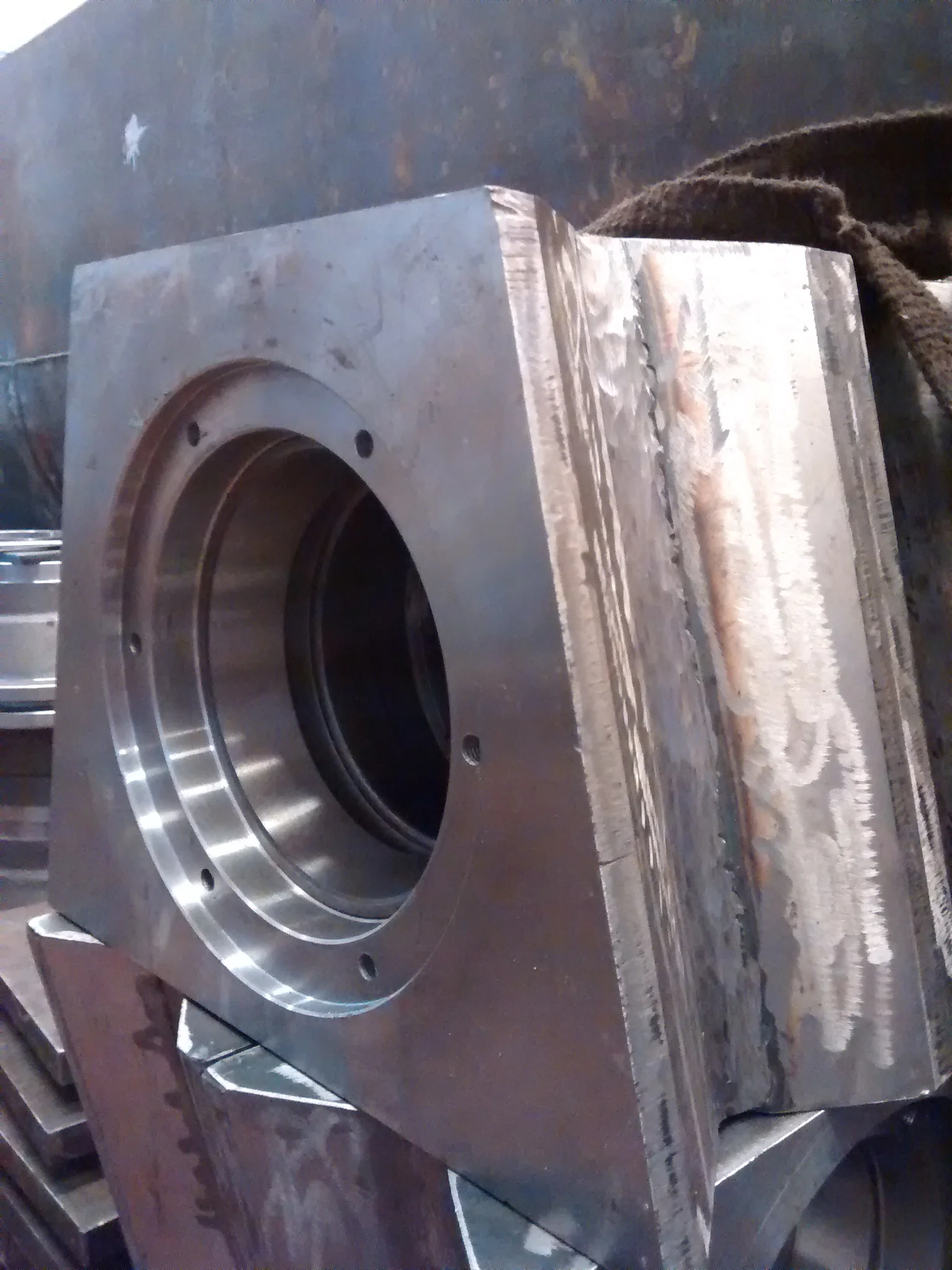
- Heavy Welding: We expertly manufacture heavy welded constructions crucial for durable and long-lasting production equipment.
Leverage the engineering expertise of OSEL Makine to optimize your production line, reduce costs, increase efficiency, and gain a competitive advantage. Let's build the smart and efficient factories of the future together.
LET'S BUILD TOGETHER
Send us your drawing.
A technical drawing, a sample photo or a short description is enough. We clarify sequence, scope and lead time with the quote.