CNC MACHINING
Production Line Optimization in Factories: Bottleneck Analysis, Line Balancing, and Custom Machinery Integration
Bottleneck analysis and line balancing: cycle time measurement, workload equalisation and removing bottlenecks with custom machinery.
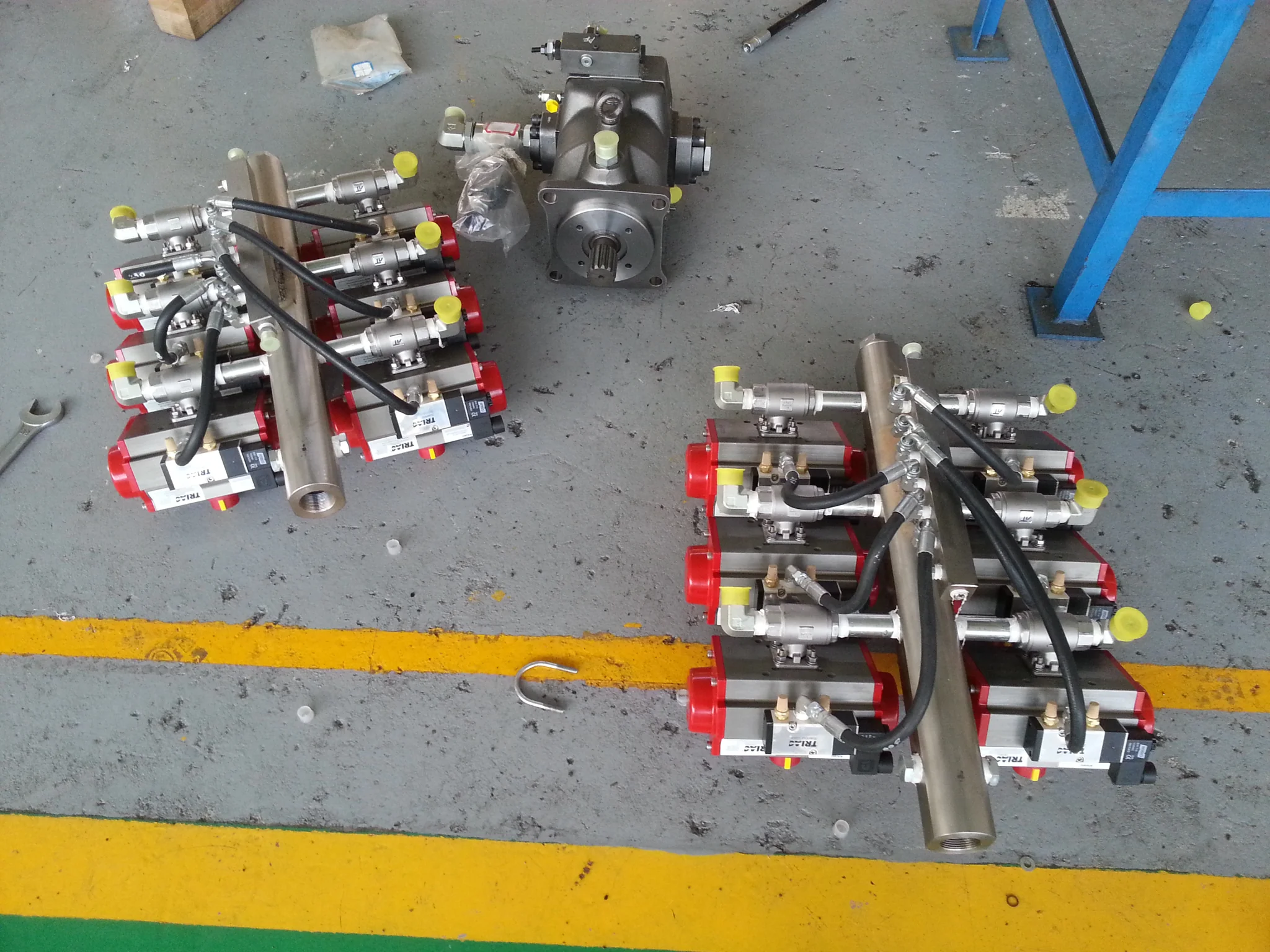
Efficiency and Line Optimization in Industrial Manufacturing
In today's highly competitive market, achieving sustainable profitability for manufacturing plants relies directly on production line efficiency. Production line optimization aims to eliminate waste (Muda) across all processes—from raw material intake to final product packaging—while minimizing cycle times and maximizing Overall Equipment Effectiveness (OEE).
Unplanned downtime, unbalanced workload distribution, and improper fixture design directly constrain factory capacity. At this stage, engineering-driven mechanical solutions and custom automation systems become essential.
Line Balancing and Bottleneck Management
The speed of an entire assembly line is dictated by its slowest station (the bottleneck). To perform effective line balancing, the following engineering steps must be implemented:
- Time and Motion Study: Measuring manual and mechanical operation times at each workstation with precise timing and video analysis.
- Takt Time Calculation: Determining the precise required production pace to match customer demand.
- Workload Equalization: Equalizing cycle times between stations to eliminate idle time.
- Mechanical Upgrades: Integrating custom fixtures, automation, or high-precision CNC machined parts into bottleneck operations.
Impact of Custom Machinery and Fixture Design on Production Velocity
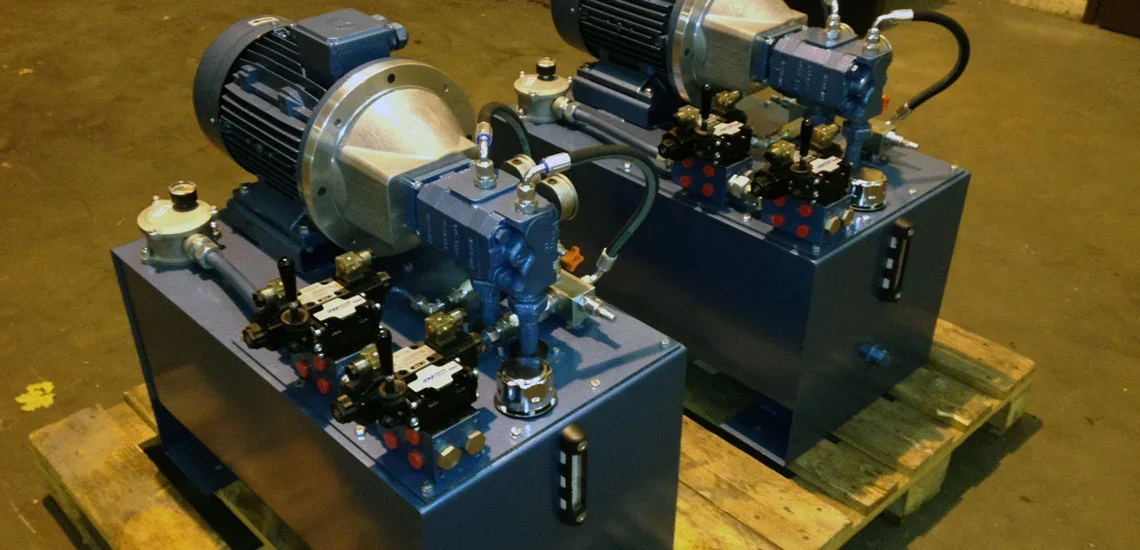
Standard industrial equipment often fails to address unique plant geometry or specific operational requirements. Custom-designed assembly fixtures, rotary positioners, and heavy-welded conveyor lines significantly reduce human error while ensuring repeatable accuracy.
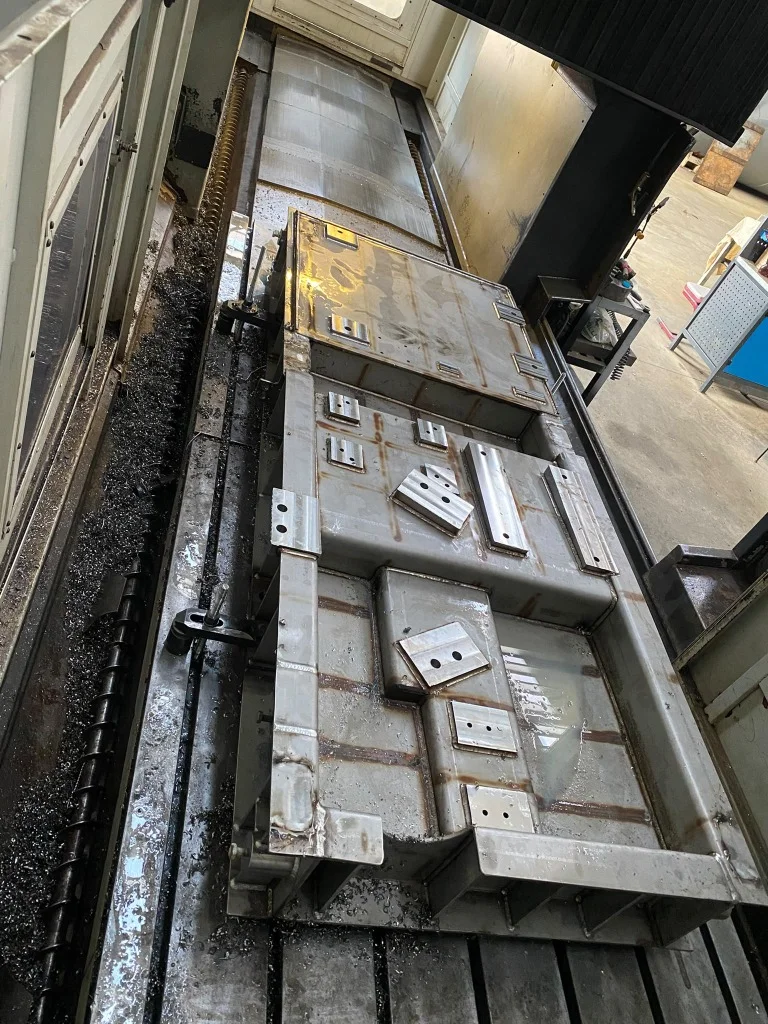
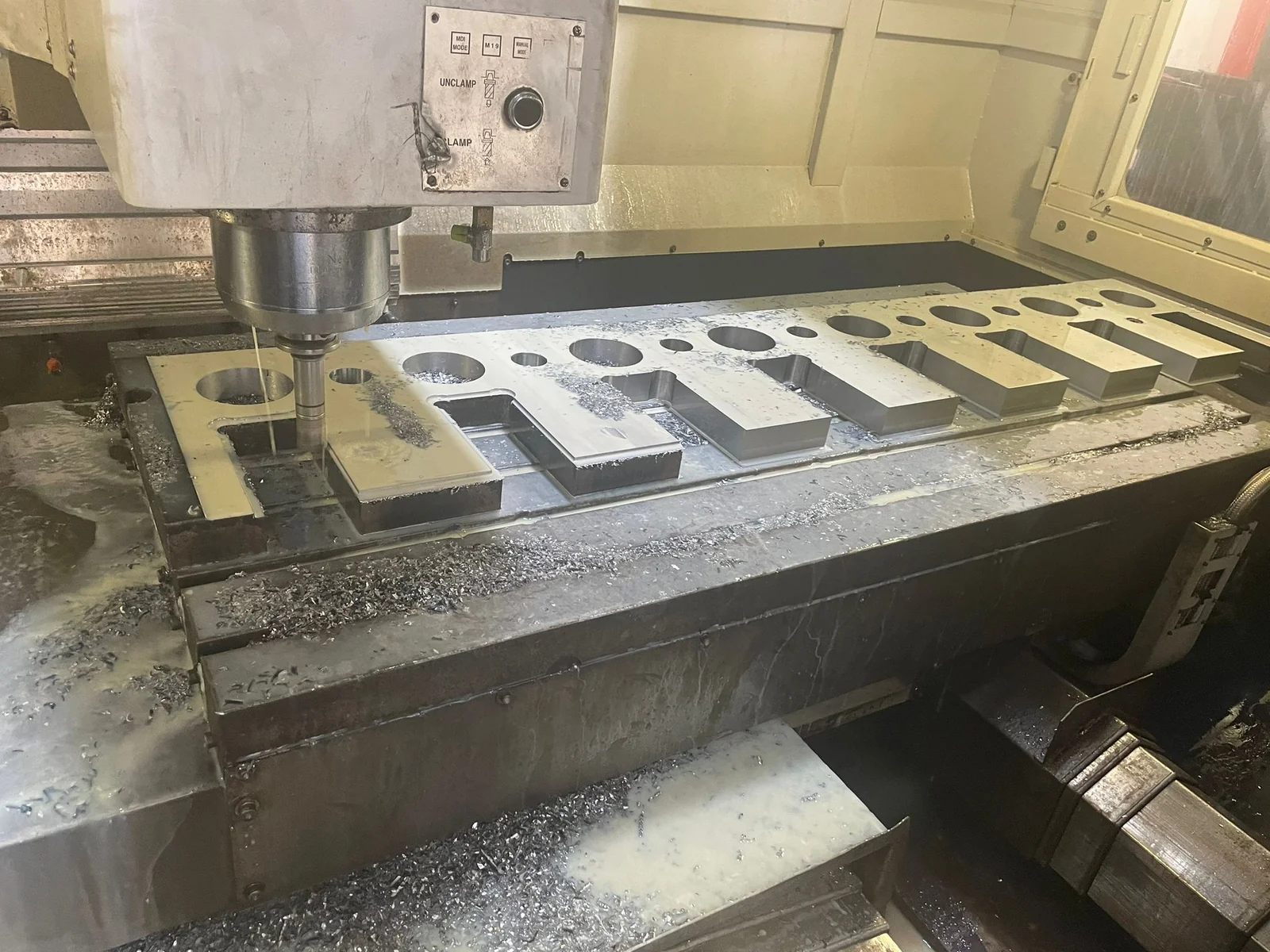
Operating from its facility in Dilovası KOBİ OSB, OSEL Makine leverages advanced high-precision CNC machining and heavy structural welding capabilities to manufacture custom mechanical components and modular machine frames engineered to rigorous OEM standards.
Optimization Metrics Comparison Table
| Parameter | Pre-Optimization | Post-OSEL Makine Integration | Improvement / Gain |
|---|---|---|---|
| Line Cycle Time | High / Inconsistent | Standardized & Low | 25% - 40% Time Savings |
| OEE (Overall Equipment Effectiveness) | 55% - 65% | 85%+ | Superior Capacity Utilization |
| Defect Rate (PPM) | High Tolerance Deviation | Micron-Level Precision | Near-Zero Scrap Rate |
| Unplanned Downtime | Frequent Mechanical Failures | Heavy-Duty Frames & Components | Continuous Uptime |
| Operation Ergonomics | High Manual Effort | Automated / Fixture-Assisted | Reduced Ergonomic Hazards |
Industry 4.0 and Mechanical System Integration
In high-speed manufacturing, digital sensors and lean principles must be anchored by robust mechanical engineering. Rigid machine bases free from vibration, along with high-torque gear and shaft assemblies, enable production lines to run continuously at peak acceleration.
Whether modernizing existing conveyor, welding, or assembly lines (Retrofitting) or designing greenfield automated plants, OSEL Makine acts as a turnkey engineering partner from initial CAD concept design to final precision machining and heavy fabrication.
LET'S BUILD TOGETHER
Send us your drawing.
A technical drawing, a sample photo or a short description is enough. We clarify sequence, scope and lead time with the quote.